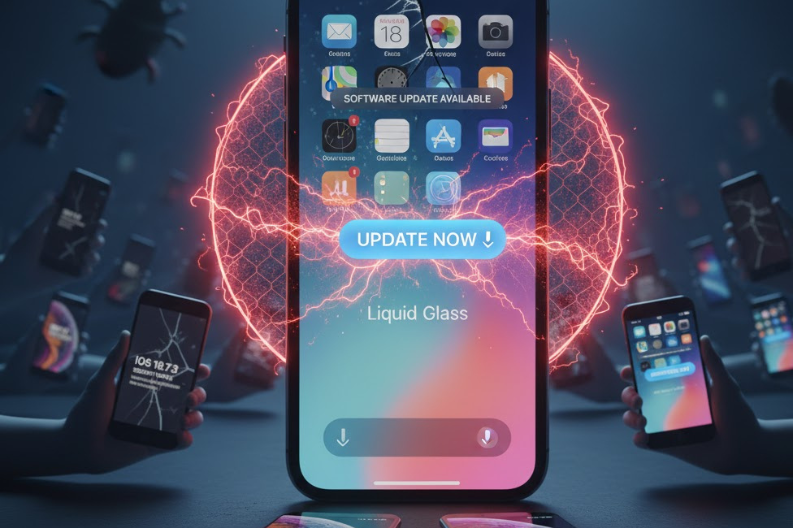
Apple has made a surprising decision with Apple iOS 26.2 that affects hundreds of millions of iPhone users. The company now forces anyone with an iPhone 11 or newer to upgrade to iOS 26 if they want crucial security fixes. This marks a significant shift in Apple’s update strategy.
What Changed?
Previously, Apple allowed users to stay on older iOS versions while still receiving security patches. For example, users could remain on iOS 18 and receive iOS 18.7.3 updates. However, that option has disappeared for newer iPhones.
Now, if your iPhone supports iOS 26 but runs iOS 18, you won’t see the iOS 18.7.3 update option. Instead, Apple only offers iOS 26.2. Meanwhile, older devices like iPhone XS, XS Max, and XR still receive iOS 18.7.3 because they cannot run iOS 26.
Which iPhones Are Affected?
| Device | Available Update | Status |
|---|---|---|
| iPhone XS, XS Max, XR | iOS 18.7.3 | Can stay on iOS 18 |
| iPhone 11 and newer | iOS 26.2 only | Must upgrade to iOS 26 |
Why Apple Made This Decision?
Apple hasn’t officially explained this change. Nevertheless, security experts suggest several reasons behind this move.
First, iOS 26 introduces deeper security improvements that cannot easily transfer to iOS 18. The new system includes updates to WebKit, sandboxing, and system permissions. Moreover, backporting these fixes to iOS 18 would require significant engineering effort.
Second, supporting multiple iOS versions simultaneously increases testing complexity. By consolidating users on iOS 26.2, Apple can patch vulnerabilities faster and improve overall system stability. Additionally, this approach reduces long-term maintenance costs.
Third, Apple wants faster adoption of new iOS versions. By tying security fixes exclusively to iOS 26.2, the company creates a strong incentive to upgrade.
Critical Security Issues
The security fixes in iOS 26.2 address serious vulnerabilities. Apple confirmed that iPhones face attacks from mercenary spyware targeting specific users. Furthermore, the update patches two zero-day bugs affecting WebKit, Safari’s browser engine.
According to Apple, “this issue may have been exploited in an extremely sophisticated attack against specific targeted individuals on versions of iOS before iOS 26.” The U.S. government also issued an update warning because of these critical security holes.
Beyond these patches, iOS 26.2 brings several important protections:
- Better defense against Google fingerprinting in Safari
- New protections against dangerous wired connections
- Anti-scam features in calls and messages
User Concerns and Workaround
Many users hesitate to upgrade to iOS 26 for various reasons. Some dislike the new Liquid Glass design. Others worry about app compatibility, battery life on older devices, or general stability issues. Analysts suggest at least 50% of users have not yet upgraded to iOS 26.
Interestingly, a workaround exists. Several users report that joining Apple’s public beta program and selecting the iOS 18 beta track makes iOS 18.7.3 available. However, this seems like an unnecessarily complicated solution for getting security fixes.
Should You Upgrade?
If security matters to you, the answer is clear: upgrade now. Without iOS 26.2, your iPhone remains vulnerable to known security threats. This is especially important if you use your phone for banking, work, or storing sensitive data.
However, you might delay temporarily if you rely on legacy apps not yet optimized for iOS 26. Even then, delaying should be short-term, not permanent.
Apple iOS 26.2 represents a fundamental change in how Apple handles software updates. The company has drawn a firm line: modern iPhones must stay current to stay protected. While this decision frustrates some users who prefer staying on iOS 18, Apple clearly prioritizes security over user choice in this matter.