Former Sri Lanka cricket captain Arjuna Ranatunga is set to face arrest in a major corruption case linked to his time in government. Authorities have told a Colombo court that they plan to take him into custody once he returns to the country. The case has drawn wide attention because of his historic role in Sri Lanka’s 1996 Cricket World Cup victory and his later career in politics.
Ranatunga served as Sri Lanka’s petroleum minister in 2017. During this period, investigators allege that normal procedures for buying crude oil were changed. Instead of using long-term supply contracts, officials reportedly made repeated spot purchases. As a result, officials bought fuel at higher prices, and this decision increased costs for the state.
According to the Commission to Investigate Allegations of Bribery or Corruption (CIABOC), these decisions caused a loss of about 800 million Sri Lankan rupees to the state-owned Ceylon Petroleum Corporation (CPC). Moreover, the watchdog told the court that around 27 such purchases took place, adding to the financial damage.
Meanwhile, the case also involves Ranatunga’s elder brother, Dhammika Ranatunga. He chaired the CPC at the time of the alleged irregularities. Authorities arrested him earlier and later released him on bail. However, the court imposed a travel ban on him, which means he cannot leave the country while the case continues.
Because Arjuna Ranatunga is currently overseas, officials have not arrested him yet. However, they clearly stated that they will act as soon as he returns to Sri Lanka. Magistrate Asanga Bodaragama is handling the case at the Colombo Magistrate Court, and the court has scheduled the next hearing for March 13, 2026.
Key facts at a glance
| Point | Details |
|---|---|
| Main accused | Arjuna Ranatunga |
| Allegation | Irregular oil procurement |
| Estimated loss | 800 million Sri Lankan rupees |
| Brother involved | Dhammika Ranatunga |
| Investigating body | CIABOC |
| Next court date | March 13, 2026 |
Beyond the case itself, the investigation reflects a wider political push. President Anura Kumara Dissanayake’s government has promised strong action against corruption involving former leaders and officials. Therefore, several high-profile cases have moved forward in recent months.
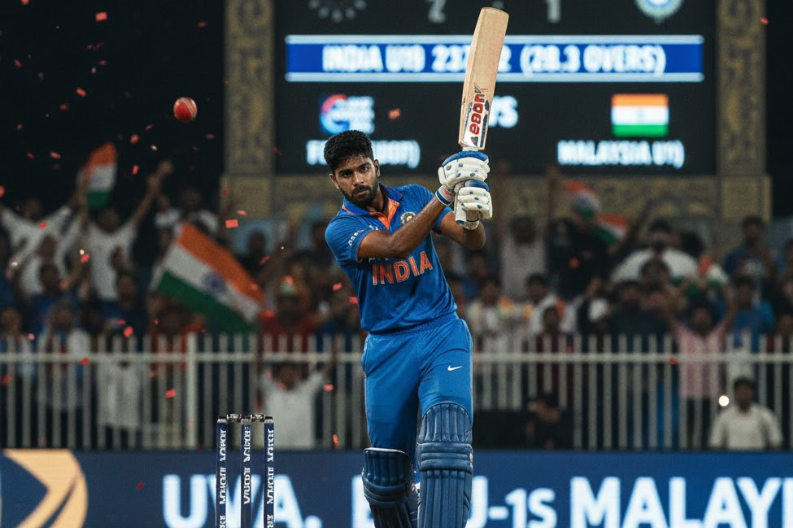
Before entering politics, Ranatunga was one of Sri Lanka’s most respected cricketers. He led the national team to its first World Cup title in 1996, defeating Australia in the final. After retiring from cricket, he took on ministerial roles and remained active in public life.
As the legal process continues, the case highlights the sharp contrast between sporting fame and political accountability. For now, authorities wait for the return of Arjuna Ranatunga to proceed with the next steps.